







Solent Marine Wildlife Sightings
Dolphins • porpoises • seals • cormorants • gulls • even the odd black swan
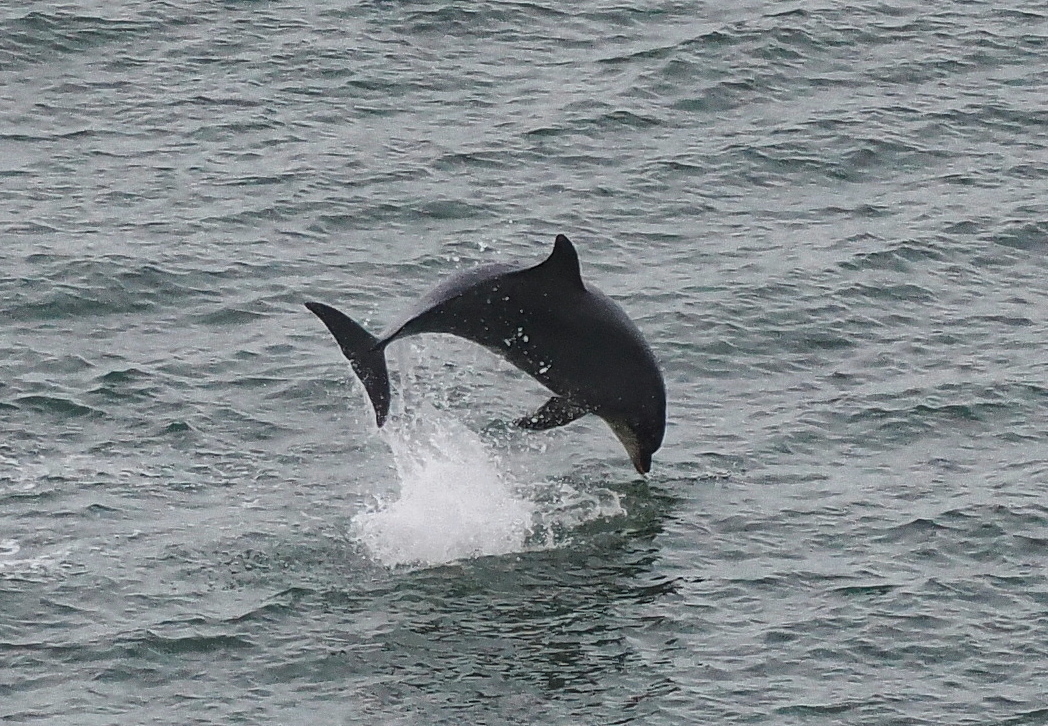
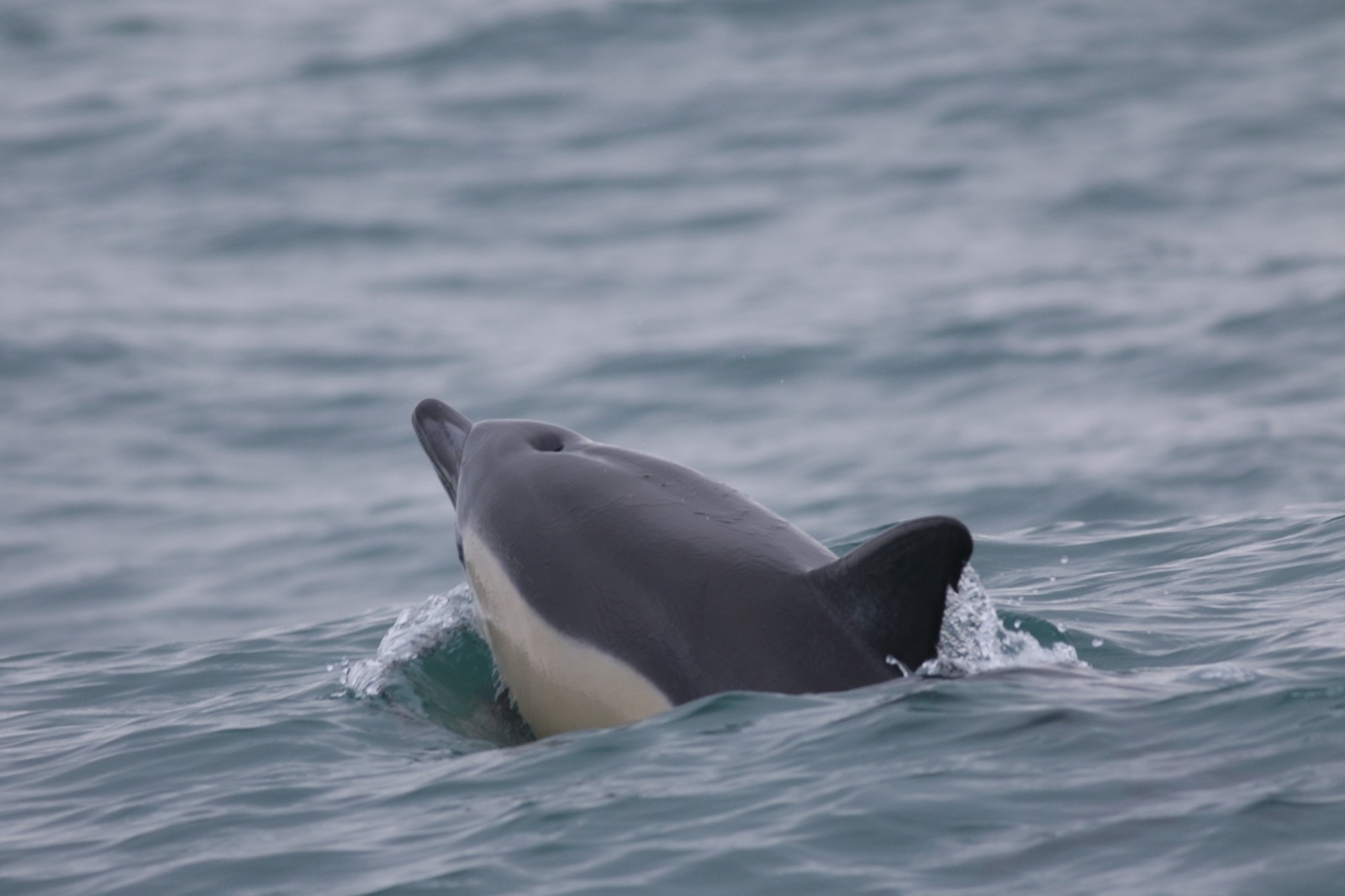
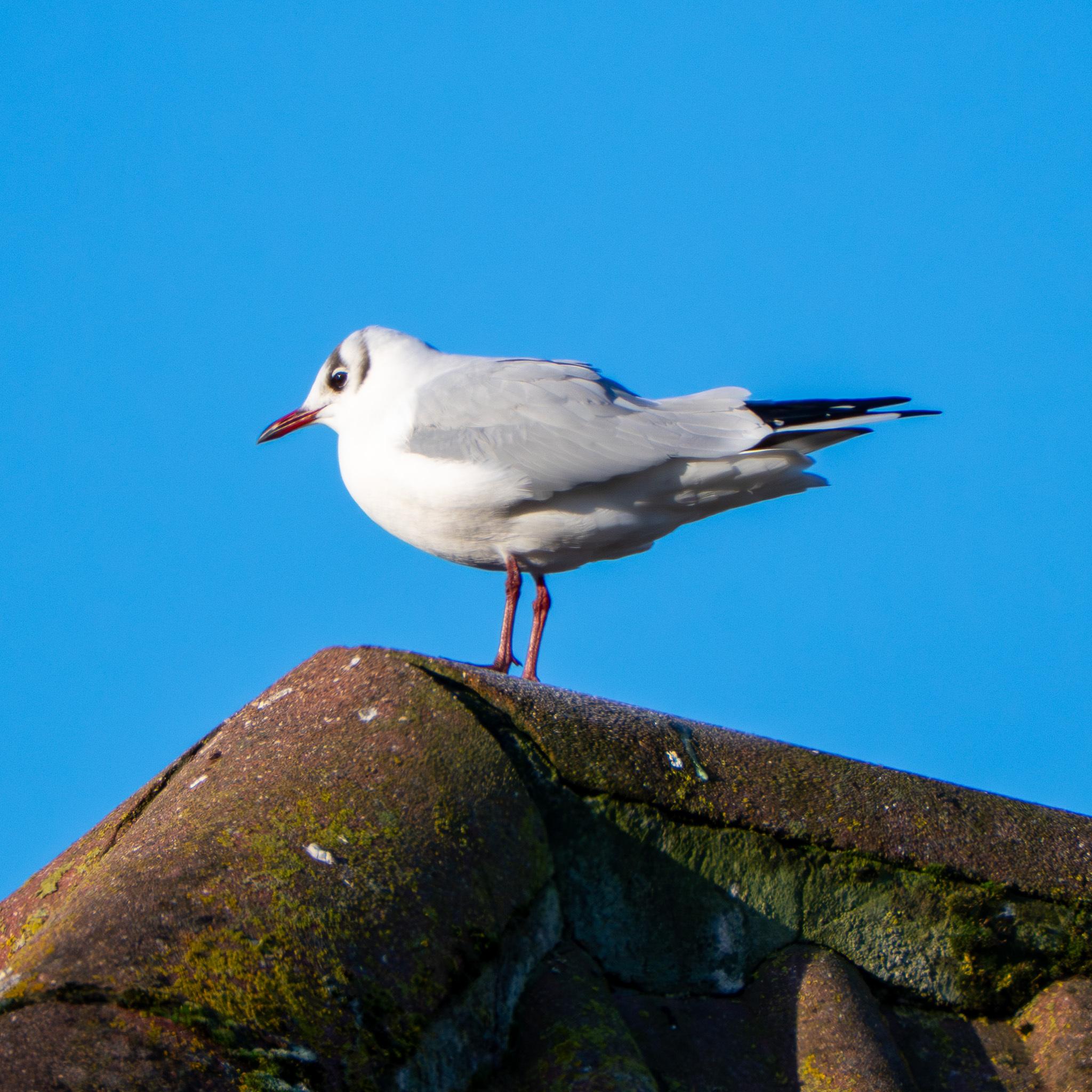
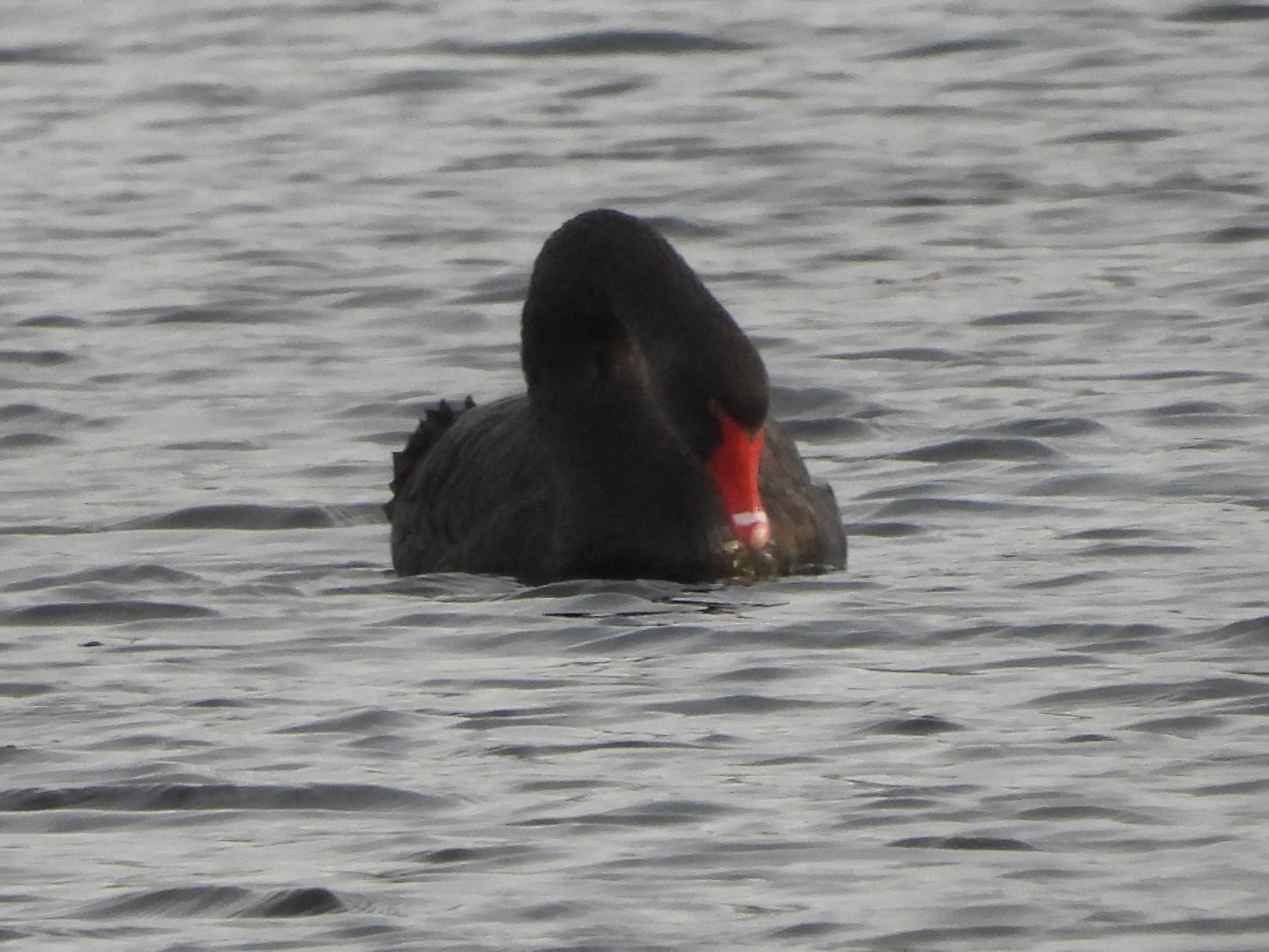
The Solent isn’t just tankers and tide tables — it’s also home to a surprising amount of wildlife. Bottlenose dolphins and harbour porpoises are seen most years, common dolphins turn up from time to time, and both grey and harbour seals haul out on sandbanks and spits around Southampton Water and the Beaulieu River. Harbour seals in particular have quietly become a real Solent success story: up to 50 have been recorded on recent surveys by the Hampshire & Isle of Wight Wildlife Trust, having only re-established themselves here over the last couple of decades. Above the waterline, the Solent’s coast and harbours are just as busy: cormorants drying their wings on posts and buoys, herring and black-headed gulls everywhere, and — genuinely, if you know where to look — the odd non-native black swan.
Recent verified sightings near the Solent
Pulled from GBIF, the public database that aggregates real UK citizen-science sightings (iRecord, the National Biodiversity Network, the Mammal Society and iNaturalist). Locations are shown as a broad Solent zone rather than a precise pin — see “Where this data comes from” below for why.
Grey Seal
14 Oct 2026
Western Solent (Lymington / Needles area)
Bottlenose Dolphin
4 Oct 2026
Western Solent (Lymington / Needles area)
Harbour (Common) Seal
8 Sep 2026
Central Solent / Cowes area
Grey Seal
15 May 2026
Central Solent / Cowes area
Grey Seal
12 May 2026
Eastern Solent (Portsmouth / Spithead area)
Grey Seal
10 Apr 2026
Eastern Solent (Portsmouth / Spithead area)
Grey Seal
29 Mar 2026
Eastern Solent (Portsmouth / Spithead area)
Harbour (Common) Seal
29 Mar 2026
Eastern Solent (Portsmouth / Spithead area)
Great Cormorant
28 Feb 2026
Eastern Solent (Portsmouth / Spithead area)
Herring Gull
28 Feb 2026
Eastern Solent (Portsmouth / Spithead area)
Black-headed Gull
28 Feb 2026
Central Solent / Cowes area
Great Cormorant
27 Feb 2026
Southampton Water
Meet the species
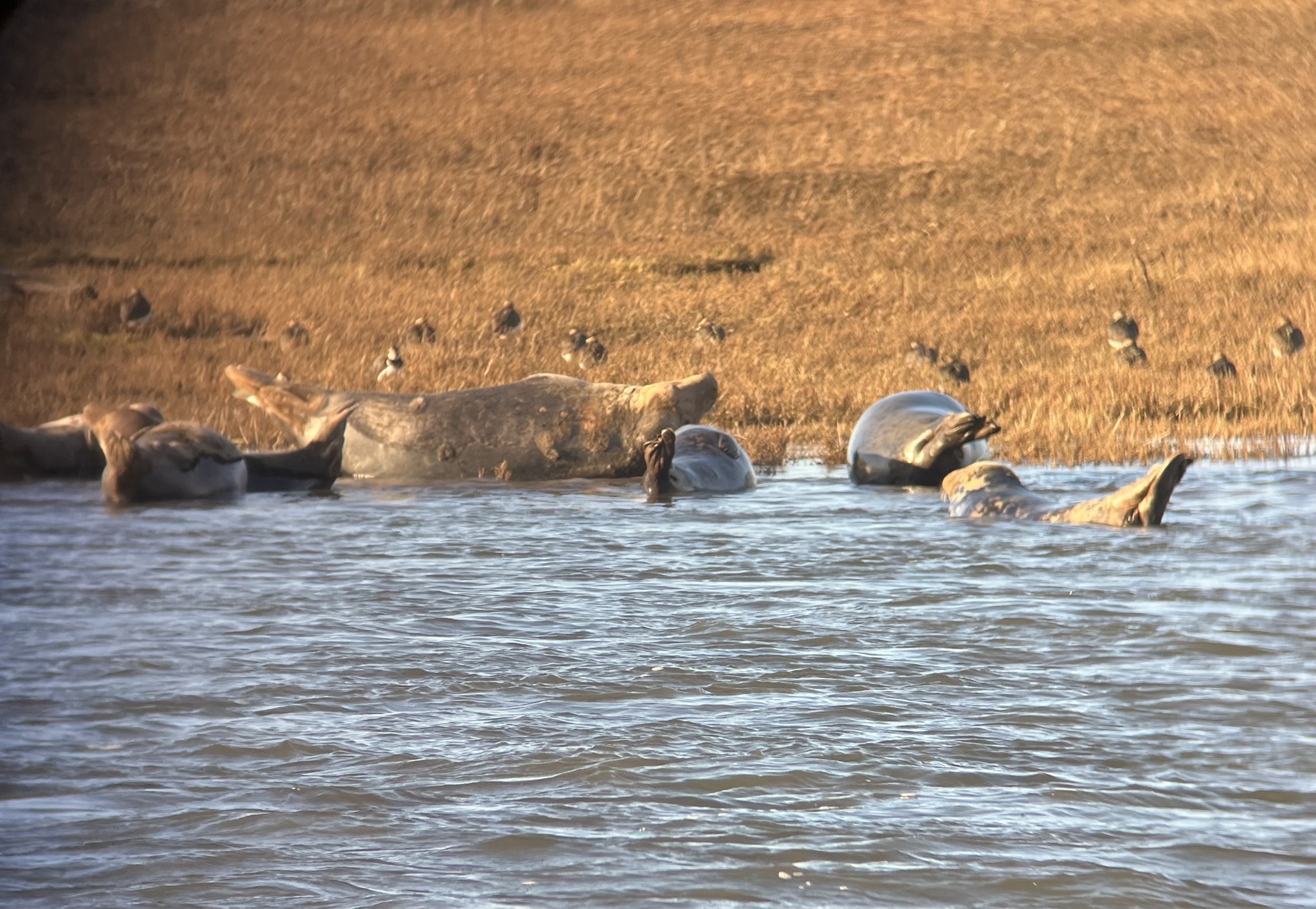
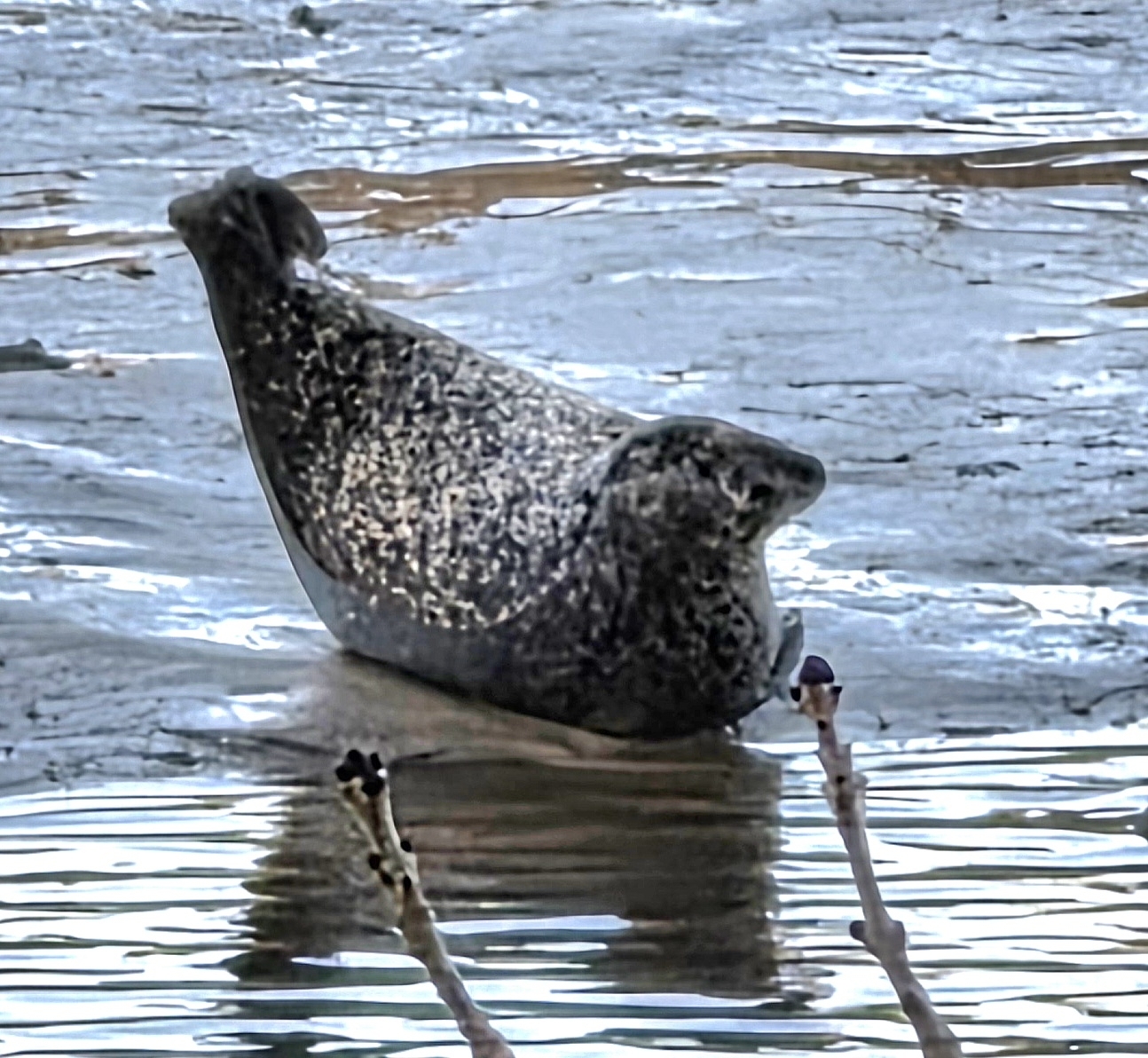
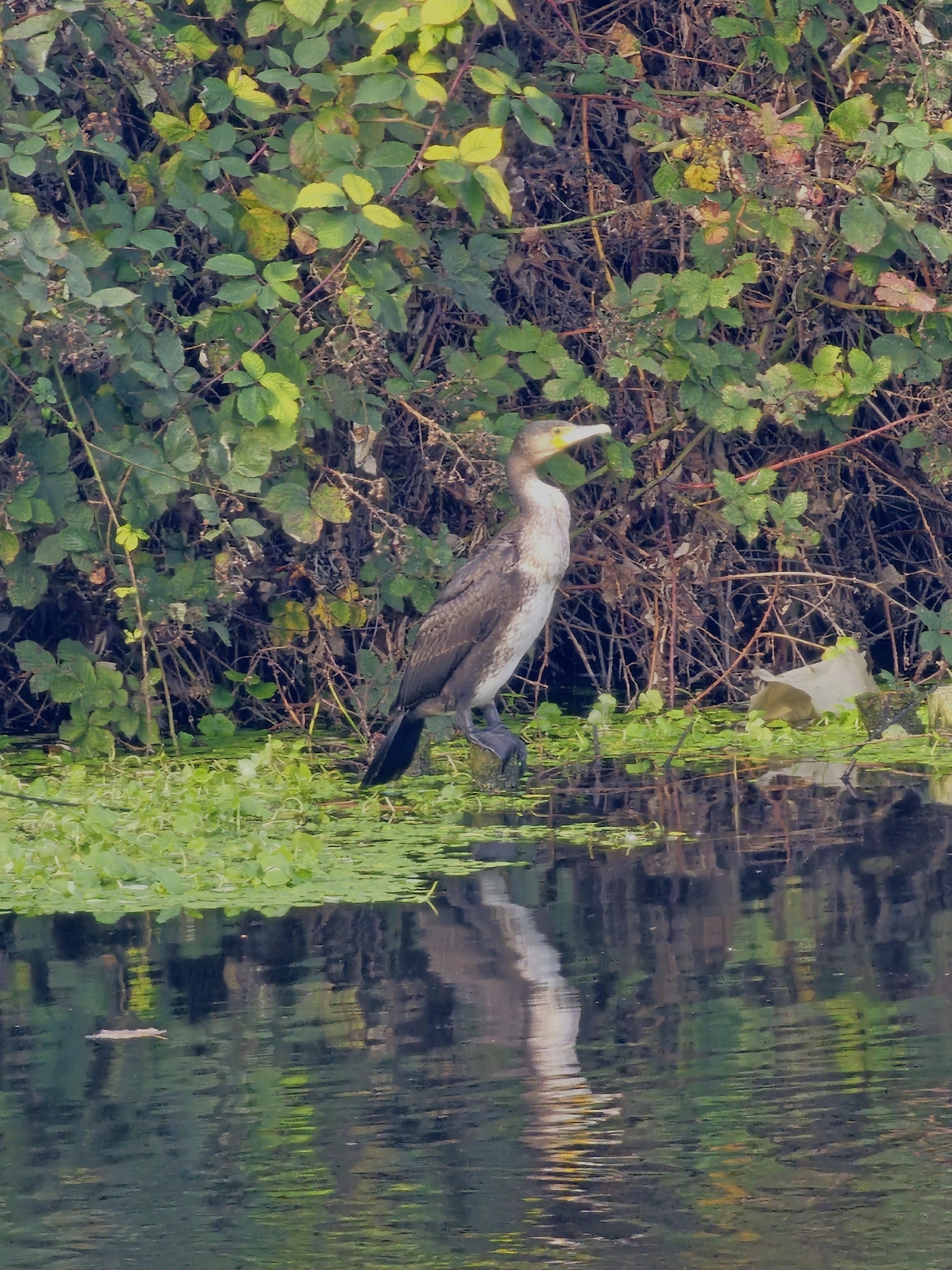
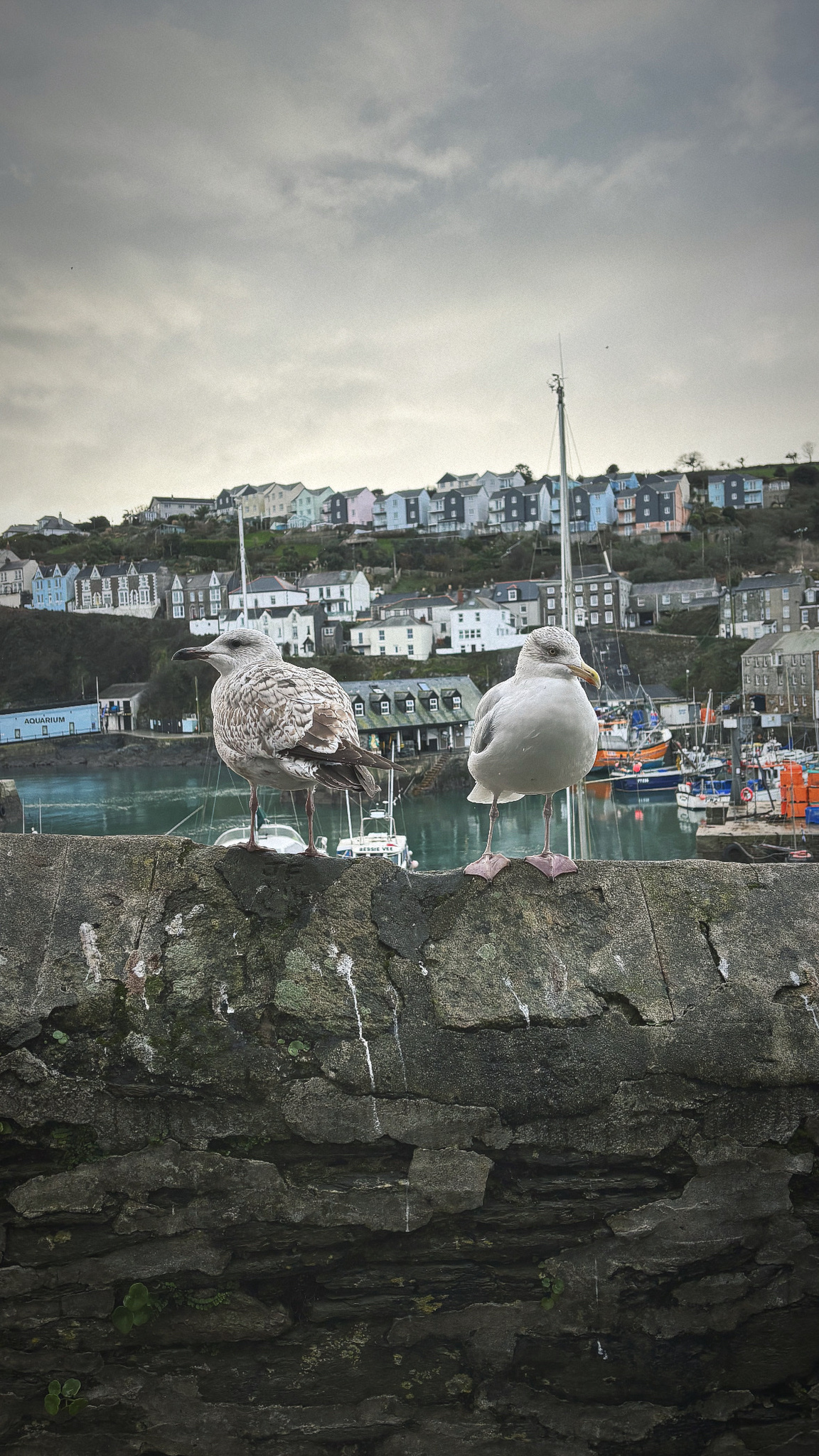
Best chance of spotting one
Calm, sunny days give the best chance of the marine mammals — a flat sea makes fins and splashes much easier to pick out. Good vantage points include the Isle of Wight ferries and hovercraft crossing the Solent, the seafront at Calshot and Lepe, and the shoreline path around Hurst Spit and the Needles. Seals are most reliably seen hauled out at low tide on quieter sandbanks and spits — please keep a good distance and don’t approach, especially in the spring/summer pupping season. The birds need far less luck: cormorants and gulls are around every harbour, quay and riverbank in all weathers, and the black swans are a genuinely reliable, near-daily sight on the Itchen at Riverside Park in Southampton — something of a local celebrity fixture there.
Seen something? Report it
Hampshire & Isle of Wight Wildlife Trust
Runs the “Secrets of the Solent” marine project - sightings feed directly into local conservation work and evidence for Marine Conservation Zones.
MARINElife
Runs volunteer ferry-based cetacean and seabird surveys around the UK, and welcomes shore/boat sightings from the public too.
Sea Watch Foundation
National charity dedicated to UK cetacean conservation; runs the annual National Whale & Dolphin Watch citizen-science week.
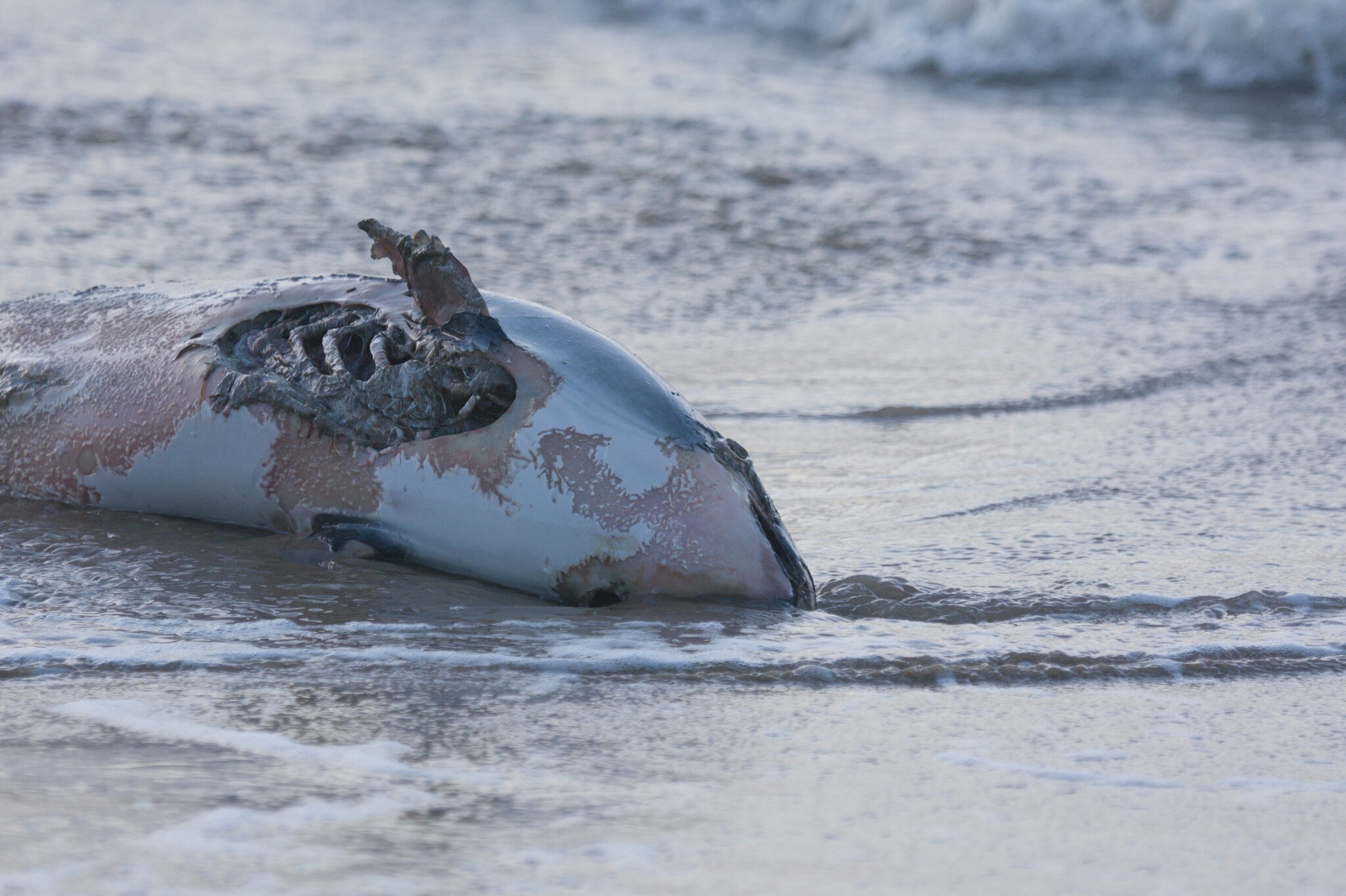
Where this data comes from: the “Recent verified sightings” list above is fetched periodically from GBIF, which aggregates real, publicly-licensed UK sighting records. It isn’t quite real-time — sightings typically take days or weeks to be verified and uploaded by the original recording schemes — and locations for sensitive species are often deliberately blurred to a wide area by the recording bodies themselves before publication, which is why sightings are shown as a Solent zone rather than a precise map pin. Individual recorders’ names aren’t reproduced here even though the underlying data is public. Species photos are real GBIF/iNaturalist occurrence photos, credited to their photographers.
See also: Solent Lifeboat “Shouts” • Local Tides • Local Marinas • Local Sailing & Racing Calendar